
Abstract Surreal Coloring Game
Special Coloring StudioBoard
4.61.16K Reviews
- Version
- 1.63.148
- Installs
- 1.00M
- Age Rating
- Teen
Screenshots
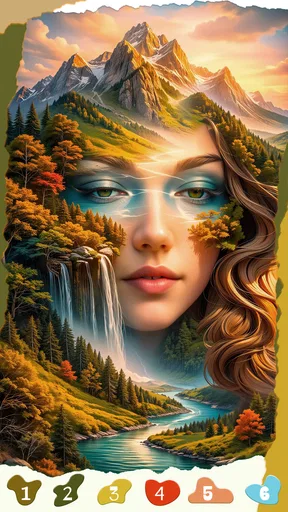




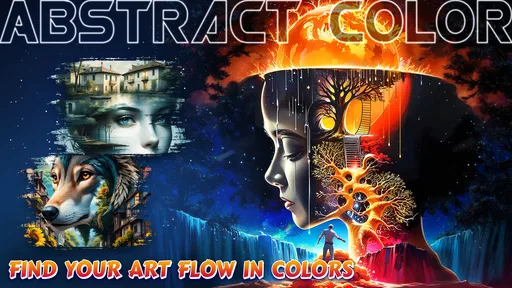
Our Review of Abstract Surreal Coloring Game
 Analysis by Appyee
Abstract Surreal Coloring Game is the kind of board game I open when I want something quiet rather than competitive. Its focus is simple: choose an abstract image, follow the numbered areas, and gradually turn a mostly empty design into a finished piece. The surreal artwork gives it a different mood from ordinary coloring books, because the pictures often feel dreamlike instead of familiar or realistic.
I found the first few minutes reassuring. There is no complicated board to learn and no opponent waiting for a move. You can begin with a picture, tap through its numbered spaces, and see progress immediately. That makes it approachable for someone trying this style of game for the first time, while the unusual designs give returning players a reason to keep browsing.
What to expect when you start coloring
The game sits in the board-game category, although it feels closer to a digital coloring activity than to a traditional board with turns, cards, or pieces. The main appeal is the rhythm of locating a number and filling the matching section. I would describe it as a relaxing puzzle-like routine rather than a test of strategy.
The developer is Special Coloring Studio, and the game is free to install. It has reached over a million installs and holds a 4.6 average from around eight and a half thousand ratings, which suggests that the basic idea has connected with a sizeable audience. The content rating is Teen, so I would still check the store presentation and the device user’s age before handing it to a younger child.
The short store description calls the artwork “Abstract Surreal,” and that is a useful expectation setter. You should not install this looking for landscapes, realistic portraits, or a conventional coloring book. The appeal is in strange shapes, unexpected combinations, and images that become clearer as the colors appear. I personally enjoy that the finished result does not always look predictable from the first few taps.
A good first session is short. I recommend choosing one image instead of trying to inspect everything at once. Let the first picture teach you how the numbered areas behave, then decide whether the visual style suits you. If you prefer direct goals, quick decisions, and visible competition, this may feel too slow. If you like repetitive tasks that occupy your hands while your attention settles, it makes more sense.
Installing it without overthinking the choice
The game supports Android 7.0 and later, so it is available on a broad range of Android devices. The current version is 1.63.148. I would still make sure the phone has enough free space and a stable connection before the first launch, especially if I were setting it up just before a trip or a long wait.
Because the download is free, the easiest way to evaluate it is to treat the first completed picture as a trial rather than making an immediate purchase. In-app purchases range from $1.99 to $59.99 per item, so I would review any purchase prompt carefully and use device purchase controls if the phone is shared with children or other family members.
That price range is important to keep in mind without making it the whole story. A free starting point is useful, but a coloring game can become less relaxing if you feel pressured to unlock something every time you open it. My advice is to decide in advance whether you are comfortable staying with the free selection. If the available artwork already gives you enough variety, there is no reason to spend simply because an optional item appears.
The first setup and the quickest route to a finished image
After opening the game, I would begin by looking for an image whose shapes are easy to distinguish. A design with large sections is a better first choice than one filled with tiny fragments. Large areas let you understand the interaction quickly and give you a meaningful result before your patience is tested.
Once an image is open, I start with the most obvious numbered section rather than searching for every matching area. This creates an immediate sense of progress. When I lose track of the active number, I pause and scan the picture slowly instead of tapping randomly. That small habit makes the process feel deliberate and reduces the irritation of hitting the wrong place repeatedly.
The most useful beginner habit is to finish one modest image before exploring the rest of the game. Completing a picture tells you more than browsing a gallery for ten minutes: you learn whether the artwork holds your attention, whether the number matching feels comfortable on your screen, and whether the pace is genuinely relaxing for you.
For a realistic everyday use case, imagine arriving early for an appointment with ten or fifteen minutes to spare. I would open the game, pick a partially completed-looking design, and work through a few numbered areas without needing sound or a long explanation. It is also suitable for a quiet evening when I want a screen activity that asks for attention but does not demand a difficult decision every few seconds.
Another useful approach is to split one picture into sessions. I might complete the larger areas during a short break, then return later for the smaller details. This is better than forcing myself to finish when my eyes are tired. The game’s value comes from the calm repetition, so turning it into a race defeats the reason I opened it.
How to make the first successful action feel satisfying
The first successful action is not simply tapping a color. It is recognizing the connection between the number you are following and the section that responds. I suggest deliberately finding one matching area, filling it, and watching how the image changes. That small confirmation gives you a reliable pattern for the rest of the picture.
When a design contains many small sections, I work from the outside toward the center or from the largest visible spaces toward the fine details. This is not a formal rule of the game; it is a practical workflow that keeps the image readable. Filling tiny pieces first can make the screen feel busy, while larger sections provide visual anchors.
I also avoid tapping quickly across the entire screen. A slower scan is more accurate and helps me notice which parts still need attention. If I am using the game while tired, I choose a simpler-looking picture and accept that some details may take longer. The experience is more pleasant when I treat accuracy as part of the activity rather than a hurdle to rush past.
One non-obvious benefit is that the surreal style makes mistakes less visually discouraging than they might be in a realistic portrait. If I leave an area unfinished, the image still looks intentionally unusual. That makes it easier to stop midway and return later, although anyone seeking a polished final picture will still need to work through the remaining numbered spaces.
Common confusion with abstract images and numbered areas
The biggest adjustment is visual. Abstract artwork does not always tell you what you are looking at, so the picture may seem disorganized before enough color is present. I would not judge the game from the opening view alone. The designs are meant to reveal themselves gradually, and the early stage can be less satisfying than the middle or final stage.
Another possible source of confusion is losing the active number among many similar sections. When that happens, I stop tapping and inspect the image in small zones: top, bottom, left, and right. This is more dependable than sweeping around the whole screen. It also prevents the session from turning into frantic trial and error.
Small details can be tiring on a phone, particularly if you are coloring late at night or on a compact display. I would choose a tablet or a larger phone when available, not because the game requires specialized hardware, but because the artwork is easier to read when the sections are crowded. If your main reason for playing is comfortable, low-effort relaxation, screen size matters more than you might expect.
There is also a difference between relaxing repetition and boredom. Some people enjoy the steady search for matching numbers; others will find it mechanical after a few minutes. I would skip this game if I need a strong narrative, strategic planning, multiplayer interaction, or a clear sense of winning against another player. A conventional board game or a more active puzzle title would be a better choice in those situations.
Choosing the right way to play
Compared with a physical coloring book, this game removes the need for pencils, sharpeners, and cleanup. It is convenient when I want to color during a short break, and the numbered structure gives me more direction than a blank page. The trade-off is that digital coloring feels less tactile. If the physical movement of a pencil is the main pleasure for you, an actual coloring book will remain more satisfying.
Compared with a standard digital coloring app, the surreal artwork is the main distinction. Many coloring alternatives lean toward animals, flowers, patterns, or familiar scenes. This one is better suited to someone who wants images that feel strange and imaginative. The same quality can be a weakness for users who prefer recognizable subjects or a calm, decorative result.
Compared with traditional board games, there is almost no strategic depth here. You are not planning several turns ahead or reading an opponent. That is precisely why it works for a different kind of moment: waiting, unwinding, or filling a small pocket of time. I would not present it as a replacement for a social board-game night, but I would recommend it as a solitary companion between more demanding activities.
The free entry point also makes it easier to test than buying a physical art book or a premium game immediately. Still, the in-app purchase range means I would keep an eye on the difference between enjoying the basic activity and wanting access to more content. If the game starts making you think about purchases more than coloring, take a break and reassess whether it is serving its purpose.
What to try after the first completed picture
After finishing the first image, I would not immediately jump to the most intricate design. Instead, I would choose a second picture with a different balance of large and small sections. This helps reveal whether I prefer broad, quick coloring or detailed work. It also gives a more honest impression of the game than repeating only the easiest image.
A useful personal routine is to choose a stopping point before beginning. For example, I might decide to complete one section of an image during a coffee break and leave the rest for later. This prevents the familiar problem of opening a relaxing game and then spending far longer than intended. The numbered format makes it easy to create that boundary because progress is naturally divided into small actions.
If you are introducing the game to someone else, I would demonstrate one matching number rather than explaining every possibility. Let the new player select the next area and discover the rhythm. This works particularly well for a family member who is comfortable with simple tapping but does not want a complicated tutorial. Since the content rating is Teen, I would use my judgment about whether it is suitable for the particular player.
For users who care about purchases, my practical suggestion is to play several sessions before deciding whether anything is worth buying. Notice which part you actually enjoy: the unusual artwork, the completion feeling, or simply having a quiet activity. If the answer is the artwork, optional content may matter more to you. If the answer is the repetitive motion, the free experience may already be enough.
Where the game fits in a real routine
I see this title fitting best into small, low-pressure gaps. It can accompany a train wait, a quiet lunch break, or the final part of an evening when I do not want a game that raises my energy. It is also a reasonable choice for someone who likes visual tasks but does not want to draw from scratch.
It is less suitable when I need a distraction that completely absorbs me. The simple coloring loop leaves room for outside thoughts, which is helpful for some situations but not for everyone. If you are trying to escape a noisy environment or stay intensely focused for a long session, a more demanding puzzle or strategy game may hold your attention better.
I would also be cautious about using it as an automatic bedtime habit simply because it is calm. It is still screen time, and the right choice depends on your routine and sensitivity to phone use at night. For me, a short session with the brightness reduced feels more appropriate than an open-ended late-night marathon.
My recommendation for a first-time player
Abstract Surreal Coloring Game is worth trying if you want a free, solitary board-style activity built around abstract images and steady progress. Special Coloring Studio has chosen a narrow idea and gives it a distinctive visual identity instead of pretending to offer the strategy of a conventional board game. I like it most when I approach it as a brief creative pause.
I would recommend starting with one accessible picture, learning the number-matching rhythm, and using larger areas as visual anchors. Give the artwork time to develop before deciding whether it is too strange or too simple. Keep the purchase range in mind, but do not assume spending is necessary to find out whether the core activity suits you.
My final view is positive but specific: this is a good fit for calm, screen-based coloring with surreal designs, not a universal replacement for coloring books, puzzle games, or social board games. If you want a gentle activity that can turn a few spare minutes into a finished image, it has a clear place in your app collection. If you need competition, storytelling, tactile tools, or deep decisions, I would choose something else.
Verdict
Strengths of Abstract Surreal Coloring Game
- Relaxing coloring sessions with imaginative surreal artwork
- Simple controls make it easy for beginners to start
- Creative color choices encourage personal artistic expression
- Works well for short breaks or longer calming sessions
- Distinctive visuals offer something different from typical coloring apps
Limitations of Abstract Surreal Coloring Game
- Some designs may feel too strange or abstract for casual users
- Limited color options could restrict more precise artwork
- Repetitive coloring tasks may lose appeal over time
- Advanced features may require in-app purchases
- Small details can be difficult to fill on smaller screens
Other Releases by Special Coloring Studio
View All
Crazy Color: Color by Number
Board4.8

Rebel Gangster Coloring Pages
Board4.7
Similar Picks in This Category
View All
Ludo King®
Gametion4.1

Ludo
Yarsa Games4.6

Tile Master® - Matching Game
Higgs Studio3.6

Checkers Online
CC Games4.6

Dominoes
Loop Games4.7

Chess
Chess Prince4.6
Frequently Asked Questions
What is Abstract Surreal Coloring Game?
Abstract Surreal Coloring Game is a relaxing creative app built around unusual, dreamlike artwork rather than traditional coloring-book scenes. It lets you fill imaginative shapes, patterns, and surreal compositions with different colors while experimenting with your own visual style. The experience is designed for casual play, creative expression, and stress relief, making it suitable for short sessions or longer coloring breaks.
How does the coloring gameplay work?
The gameplay is simple and accessible: choose an illustration, select colors from the available palette, and tap or interact with areas of the image to fill them. Depending on the design, you may be able to change colors, undo mistakes, and try different combinations until the picture feels right. There is generally no strict time limit, so you can work at your own pace.
Is Abstract Surreal Coloring Game suitable for children?
The app can be enjoyable for older children, teenagers, and adults who like imaginative art, but parents should review the specific content and advertising settings before allowing younger children to use it. Surreal images may include strange, abstract, or occasionally unsettling themes that are not familiar cartoon-style artwork. As with any free mobile app, parental supervision is recommended for purchases and external links.
Does the game require an internet connection or include in-app purchases?
Basic coloring may work without a constant internet connection, although some features, advertisements, updates, or additional artwork could require access to the internet. Availability can vary by device version and app release. Users should also check the store listing for current information about advertising, premium content, subscriptions, or optional purchases before downloading, especially if the app will be used by children.
What are the main advantages and limitations of the app?
Its main strengths are the distinctive surreal artwork, straightforward controls, and calming creative format. It offers a more unusual alternative to ordinary mandala or realistic coloring apps and encourages experimentation without demanding advanced artistic skills. On the other hand, the overall value depends on the number of available designs, palette options, advertisements, and whether extra content is locked. Users seeking competitive gameplay or complex drawing tools may find it too simple.
Play our best games!


